
Pilot results: Origo in Finnish high schools, spring 2026
We piloted Origo in two Finnish high schools on a statistics and probability course. In active lessons, students completed almost twice as many tasks as usual.
 Jani Lehto14 oktober 2026
In spring 2026, Origo was used in two Finnish high schools: Kangasala and Ylöjärvi. The course was MAA8 Statistics and Probability, and Origo was the course book. We put together a report on how the pilot went and what we measured.
Download the full pilot report (PDF, in Finnish)
The pilot at a glance
- 2 high schools, 4 classes and 3 teachers
- around 70 active students
- one course, spring 2026
- over 4,300 tasks solved and over 2,000 hints used
What we measured
- Origo was the main course book for around 70% of the course period.
- In active lessons, students completed almost twice as many tasks as the usual pace of the course. In Ylöjärvi, students completed 14 tasks per lesson on average, and in Kangasala 8.
- On average, students asked for around 0.55 hints per task.
The hints show why this matters. In a class of 25, students asked for around three hints a minute during an active lesson. That means Origo answered around 180 questions in a single lesson, questions that would otherwise have gone unasked or taken up the teacher's time. A teacher can't be in three places at once, but a hint is always one click away.
What students and teachers told us
- Students liked comparing their own solution with the model solution.
- Hints helped students catch careless mistakes early.
- Tools built into the task view, like GeoGebra, got good feedback.
- Students didn't need to switch to external AI tools.
- Teachers valued how easy the platform was to use, and how quickly they could see how students were progressing.
What we're improving
The pilot also showed us what we still need to work on:
- Advanced and applied tasks: there weren't enough challenging tasks.
- Material coverage: the materials covered an estimated 70–80% of the course requirements, which affected how much Origo was used.
- Hint styles: the hints were quite similar in style, and weren't always enough for a deeper understanding.
- Technical issues: there were a few technical problems with saving and showing tasks.
What's new since the pilot
This autumn, we released a new version of Origo based on what we learned:
- Courses for both basic and advanced maths.
- Teachers can edit course paths, add their own tasks and edit theory sections.
Next, the hint system is getting new hint styles, like guided steps, micro-steps and visual explanations, and teacher analytics are moving directly into the book. Physics and chemistry are also on the way, as soon as we've finished a couple of integrations.
Our goal is to give teachers more freedom to teach their own way, and to support that with continuous analytics and modern tools.
Thank you
Sitra supported the pilot and the development of the platform. From the Finnish National Agency for Education, Counsellor of Education Leo Pahkin advised us on the Finnish curriculum (LOPS 2021) and on what an adaptive learning platform of the future could look like. Our biggest thanks go to the teachers and students at Kangasala and Ylöjärvi high schools, who became Origo's first official pilot users.
Want to try Origo at your school? Get in touch via the contact page.
~ Jani and the Origo team
Relaterade inlägg
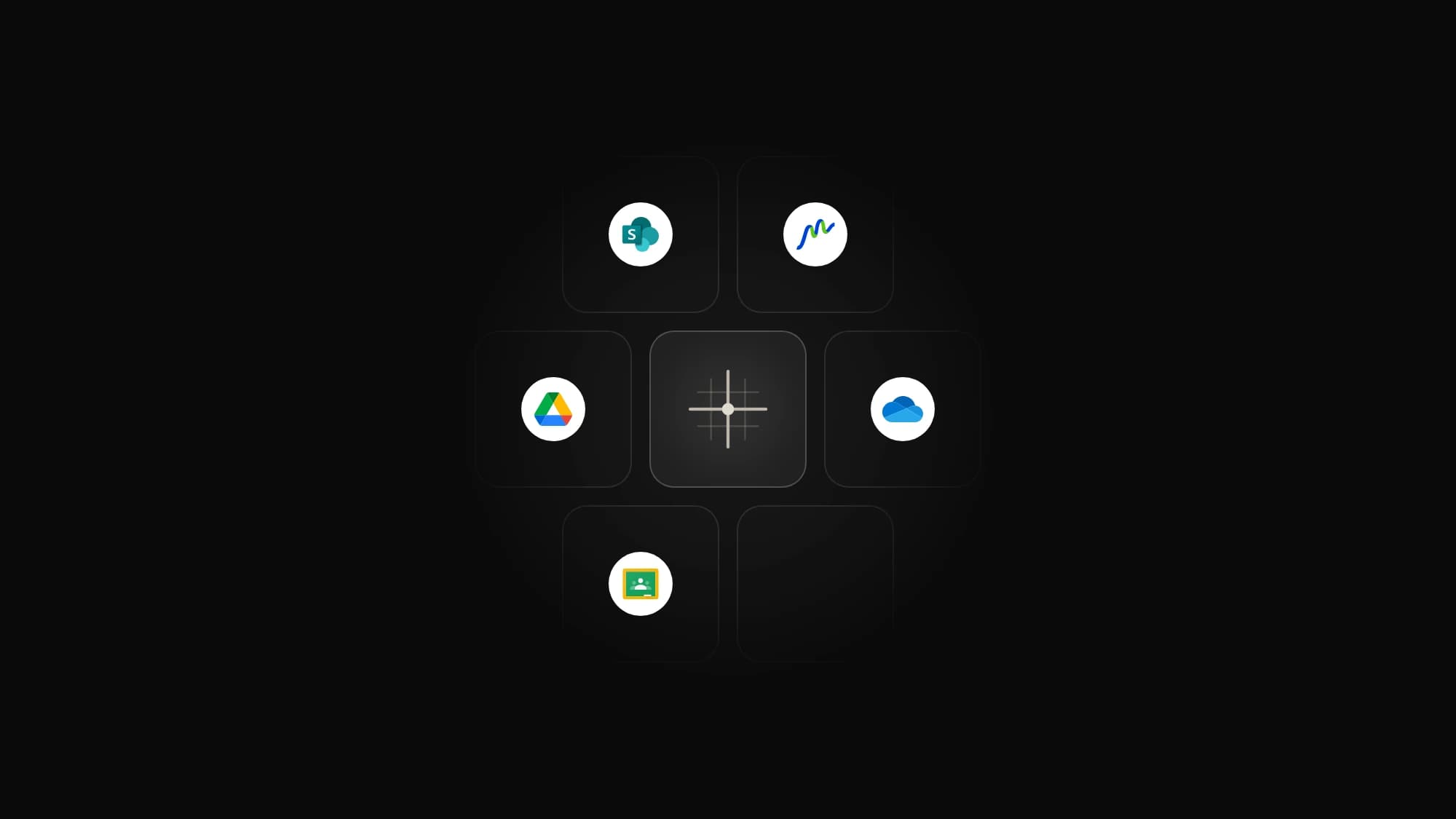
Plugins: bring your tools into Origo
Import from Google Drive, OneDrive and SharePoint, and share lessons to Google Classroom.
Diar Ghaderi · 27 Oct 2026

Origo is expanding to the Nordics
Full language support for Swedish, Norwegian Bokmål and Nynorsk, and Danish, and curriculum alignment for Sweden.
Oliver Braikoff · 21 Oct 2026
Origo is now available in Swedish and English for Finnish schools
Students and teachers in Finland can use Origo in Swedish or English, following the Finnish curriculum.
Origo Team · 7 Oct 2026